
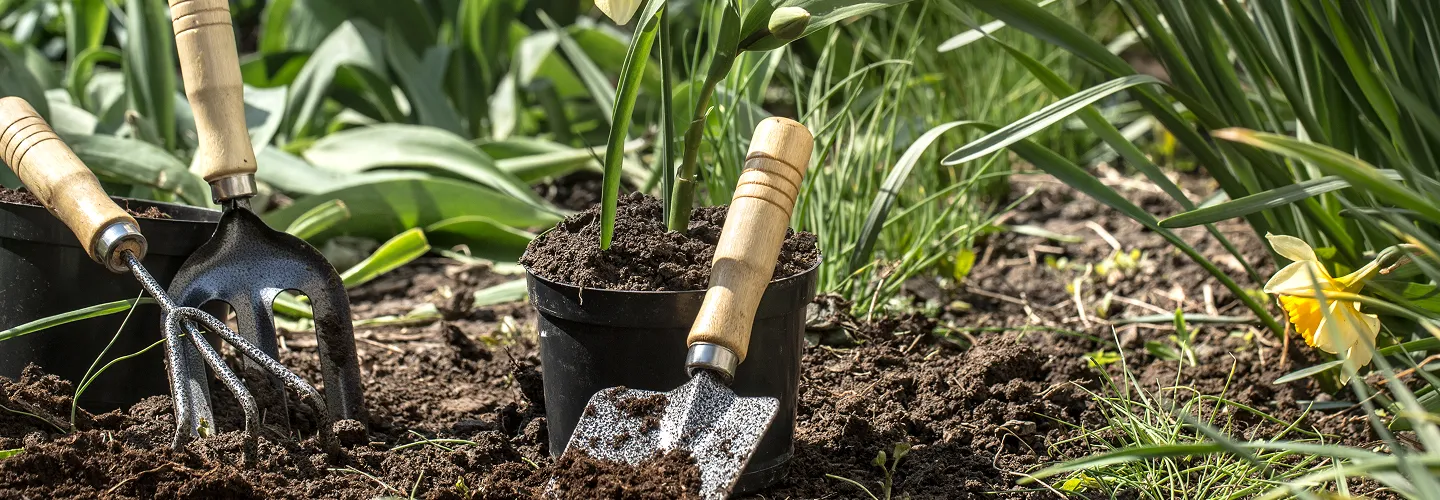
Decatur Weeding Services
Choose our professional weeding services for a healthier, more beautiful landscape—our experienced team removes unwanted growth efficiently, ensuring your plants thrive and your yard stays immaculate.
Get a Free QuoteOur Decatur Landscaping & Yard Care Services
When to Schedule Weeding in Decatur, Georgia – Seasonal Guide
In Decatur, Georgia, the best times to schedule weeding are typically in early spring and late fall, when the climate is mild and weeds are most vulnerable. Decatur’s unique blend of humid summers and relatively mild winters means that weed growth can be persistent, especially in neighborhoods like Oakhurst and near Glenlake Park, where mature trees and shaded lawns create ideal conditions for invasive species. Monitoring local frost dates is crucial—starting weeding after the last frost in spring helps prevent new growth, while a final round before the first frost in autumn ensures your landscape stays tidy through winter.
Local environmental factors such as clay-heavy soils, common in the Winnona Park area, and periods of summer drought can influence both weed growth and the effectiveness of removal. High humidity and dense shade coverage, especially under the canopy of Decatur’s historic oaks, can encourage certain weeds to thrive. It’s also important to stay informed about municipal guidelines and seasonal advisories, which can be found on resources like the City of Sudbury’s website, to ensure compliance with local landscaping regulations.
Local Factors to Consider for Weeding in Decatur
- Tree density and shade coverage, especially in older neighborhoods
- Soil type (clay vs. loam) and drainage
- Seasonal precipitation and drought risk
- Proximity to landmarks like Glenlake Park or Oakhurst Village
- Municipal restrictions or advisories on chemical use
- Terrain and slope, which affect runoff and weed spread
Benefits of Weeding in Decatur
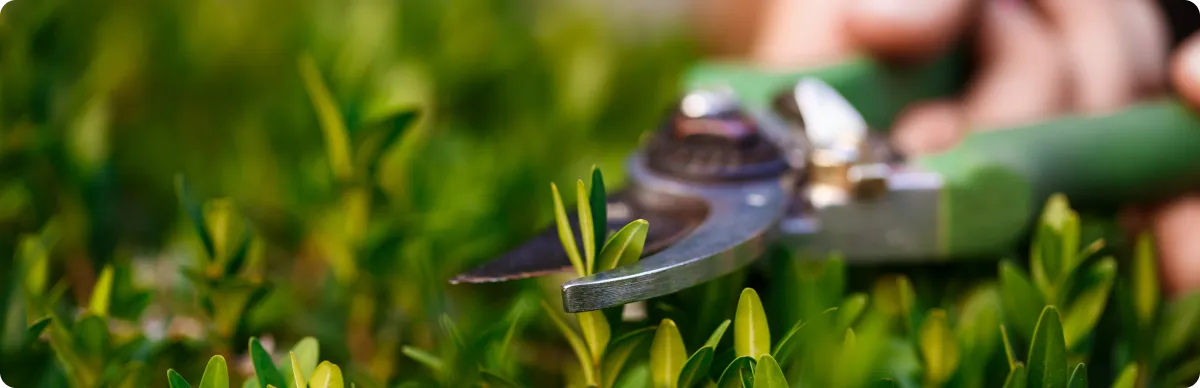
Enhanced Curb Appeal
Healthier Plant Growth
Reduced Pest Infestation
Improved Soil Quality
Increased Property Value
Professional and Reliable Service
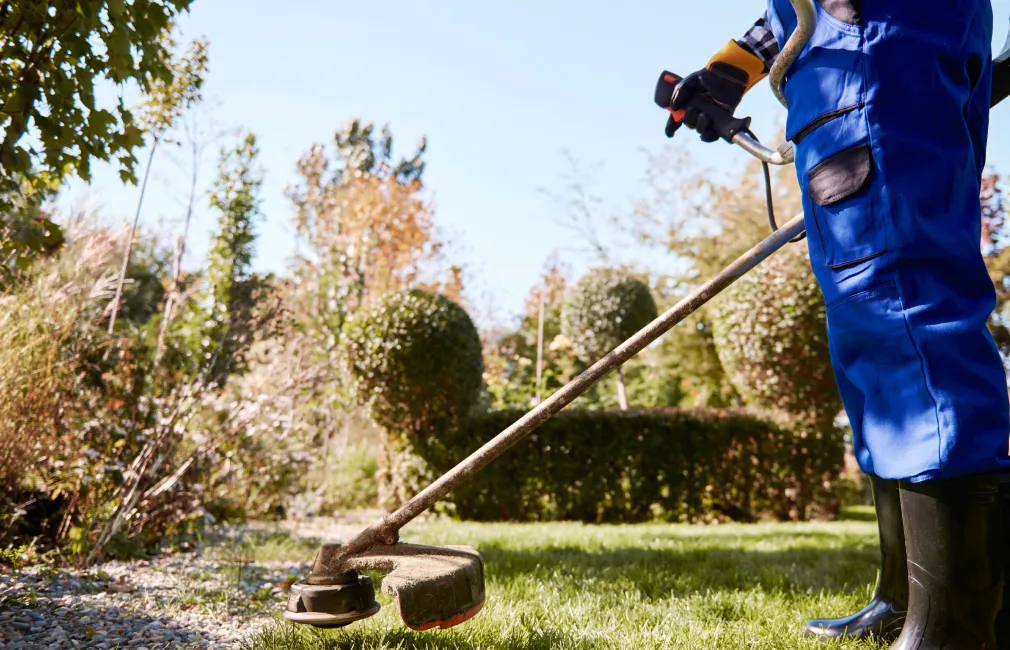
Decatur Weeding Types

Hand Weeding
-
Mechanical Weeding
-
Chemical Weed Control
-
Mulching for Weed Suppression
-
Flame Weeding
-
Soil Solarization
-
Organic Weed Management
Our Weeding Process
Site Evaluation
Weed Identification
Targeted Removal
Soil Treatment
Final Inspection
Why Choose Decatur Landscape Services
Decatur Homeowners Trust Us
-
Expert Lawn Maintenance
-
Reliable Scheduling
-
Competitive Pricing
-
Professional Team
-
Satisfaction Guarantee
-
Personalized Service
-
Locally Owned and Operated
Decatur's Red Clay Soils and Weed Pressure in Planting Beds
Decatur, GA falls within USDA Hardiness Zone 7b and sits squarely in Georgia's Piedmont region, where Cecil and Madison soil series dominate — both characterized by dense red clay subsoils with limited drainage and moderate to high compaction potential. These conditions create persistent weed pressure in planting beds and lawn borders, as shallow-rooted annual weeds such as crabgrass (Digitaria spp.), spurge (Euphorbia spp.), and chickweed (Stellaria media) exploit compacted, poorly aerated surface layers. Clay soils also retain moisture longer after rainfall, extending the germination window for warm-season weeds from late March through October. Property owners should note that:
- Hand-pulling is most effective when soils are moist but not saturated
- Weeds removed from clay beds should be bagged immediately to prevent re-rooting
- Mulching beds to a depth of 2–3 inches significantly reduces germination rates
- Soil pH in Decatur's Piedmont clay typically ranges from 5.5 to 6.5, which can favor certain broadleaf weeds
Consult the USDA Web Soil Survey to identify specific soil series on your property before selecting weed management strategies.
Optimal Weeding Timing for Decatur's Long Warm-Season Growth Period
Decatur's climate, monitored by the National Weather Service Atlanta/Peachtree City office, features warm, humid summers with average high temperatures exceeding 88°F from June through August and a frost-free growing season extending from mid-March through mid-November. This extended warm season creates multiple weed germination flushes annually, requiring a structured weeding schedule rather than a single seasonal effort. Key timing benchmarks for Decatur property owners include:
- Late February to mid-March: Pre-emergent window for warm-season annual weeds such as crabgrass; soil temperatures should reach 55°F at 4-inch depth
- April through June: Peak hand-weeding season before summer heat stresses desirable plants
- July to August: Focus on spot-weeding and mulch replenishment; avoid disturbing soil during peak heat
- September to October: Second germination flush for cool-season weeds including henbit and annual bluegrass
- November to December: Final cleanup before dormancy
UGA Cooperative Extension publishes Georgia-specific weed identification and timing guides that are directly applicable to Decatur's Piedmont climate conditions.
Protecting Decatur Stormwater Infrastructure During Weed Removal Operations
Decatur's stormwater management program, administered through the city's Engineering Division and Public Works Department, maintains a network of drainage inlets, detention basins, and conveyance channels throughout the city. Weed removal activities — particularly along slopes, drainage swales, and areas adjacent to impervious surfaces — carry a risk of dislodging soil and plant debris that can enter storm drains and degrade water quality downstream. Under the Clean Water Act and Georgia's NPDES permit framework, sediment and organic debris entering municipal storm systems can constitute a reportable discharge. Property owners and contractors conducting weeding near drainage features should follow these precautions:
- Do not blow or rake pulled weeds toward storm drain inlets
- Bag all pulled vegetation before transport to prevent seed dispersal
- Avoid weeding on slopes greater than 15% during or immediately after rainfall events
- Maintain a minimum 10-foot working buffer from any open drainage channel or detention pond edge
For questions about drainage infrastructure near your property, contact the Decatur Stormwater Information program.
Decatur Engineering Division
509 N. McDonough St., Decatur, GA 30030
Phone: (404) 370-4100
Official Website: Decatur Engineering Division
Invasive Weed Species Pressure in Decatur's Wooded Corridors and Park Edges
Decatur's mature tree canopy and proximity to wooded greenway corridors — including areas adjacent to Glenlake Park and the South Fork Peachtree Creek watershed — create conditions favorable to invasive weed and vine species that spread aggressively from wooded edges into residential planting beds and lawn margins. UGA Extension's Invasive Species program identifies several species of particular concern in the Metro Atlanta Piedmont region:
- Japanese honeysuckle (Lonicera japonica): Spreads rapidly along fence lines and wooded borders; requires root removal to prevent regrowth
- English ivy (Hedera helix): Common in shaded Decatur lots; must be cut at the base and roots extracted to prevent re-establishment
- Kudzu (Pueraria montana): Found along disturbed edges; requires repeated removal over multiple seasons
- Chinese privet (Ligustrum sinense): Seedlings emerge prolifically in mulched beds near wooded areas
Property owners should inspect bed edges adjacent to wooded lots at least twice per growing season. The Decatur Parks & Recreation Department manages invasive species removal in city-maintained green spaces and can provide guidance on species identification near park boundaries.
Decatur Parks & Recreation
231 Sycamore St., Decatur, GA 30030
Phone: (404) 377-0494
Official Website: Decatur Parks & Recreation
Georgia Pesticide Licensing Standards for Professional Herbicide Application in Decatur
When weeding services in Decatur involve the application of any herbicide — including pre-emergent or post-emergent chemical treatments — Georgia law requires that the applicator hold a valid license issued by the Georgia Department of Agriculture. Under the Georgia Pesticide Use and Application Act of 1976, commercial pesticide applicators must be licensed in the appropriate category, and all applications must comply with label directions, which carry the force of federal law. Property owners hiring professional weeding services should verify:
- The contractor holds a current Georgia pesticide applicator license
- License category covers ornamental and turf weed control (Category 24 or equivalent)
- The applicator can provide a copy of the product label and Safety Data Sheet upon request
- Applications near storm drains, water features, or property lines follow label-specified buffer distances
Licensing verification is available through the Georgia Department of Agriculture – Licensing, Certification and Employee Registration portal. The Georgia Department of Agriculture – Agricultural Pest Control division oversees compliance and enforcement statewide.
What Neighborhoods Do We Serve Throughout Decatur, GA?
- Oakhurst: A mature, walkable neighborhood with densely planted residential lots, significant tree canopy, and shaded bed areas where English ivy and privet seedlings are common weeding challenges.
- Winnona Park: Features older homes on established lots with compacted red clay soils and mixed sun-shade conditions that support both broadleaf and grassy weed populations throughout the growing season.
- Glenlake: Located near Glenlake Park and South Fork Peachtree Creek, this area experiences elevated invasive weed pressure along wooded lot edges and drainage corridors.
- Downtown Decatur / Clairemont: Mixed residential and commercial properties with smaller lot footprints, raised planting beds, and hardscape-adjacent weed management needs along sidewalks and curb lines.
- Westchester Hills: A residential area with varied lot sizes and moderate slope, where weed establishment in drainage swales and lawn borders requires seasonal attention.
- Leafmore / Midway Woods: Established neighborhoods with mature shade trees and significant leaf litter accumulation that creates favorable germination conditions for cool-season weeds in fall and winter.