
Decatur Brush Removal Services
Choose our brush removal services for fast, thorough clearing that enhances your property's safety, curb appeal, and usability—handled by local experts who care about your land.
Get a Free QuoteOur Decatur Landscaping & Yard Care Services
When to Schedule Brush Removal in Decatur, Georgia – Seasonal Guide
In Decatur, Georgia, timing your brush removal is essential for maintaining a healthy and attractive landscape. The best periods for this service are typically late winter through early spring and again in late fall, when vegetation is dormant and easier to manage. Decatur’s climate, characterized by humid summers and mild winters, means that brush can accumulate quickly, especially after the rainy season or during periods of rapid growth. Neighborhoods near Oakhurst and Glenlake Park often experience dense undergrowth due to ample shade and rich, loamy soils, making regular brush removal a necessity.
Local environmental factors such as the last frost date (usually in early March), summer drought risk, and high humidity levels all play a role in determining the optimal schedule. For example, removing brush before the onset of summer heat helps reduce fire hazards and pest infestations. Additionally, municipal guidelines and restrictions—available through resources like the City of Sudbury’s website—should be reviewed to ensure compliance with local ordinances.
Local Factors to Consider for Brush Removal in Decatur
- Tree density and shade coverage, especially in neighborhoods like Winnona Park
- Terrain and soil type, which can affect accessibility and regrowth rates
- Seasonal precipitation patterns and risk of drought
- Local frost dates and temperature fluctuations
- Municipal restrictions or scheduled yard waste pickups
Benefits of Brush Removal in Decatur

Enhanced Curb Appeal
Improved Property Safety
Prevention of Pest Infestations
Increased Usable Outdoor Space
Healthier Plant Growth
Boosted Property Value
Decatur Brush Removal Types

Manual Brush Clearing
-
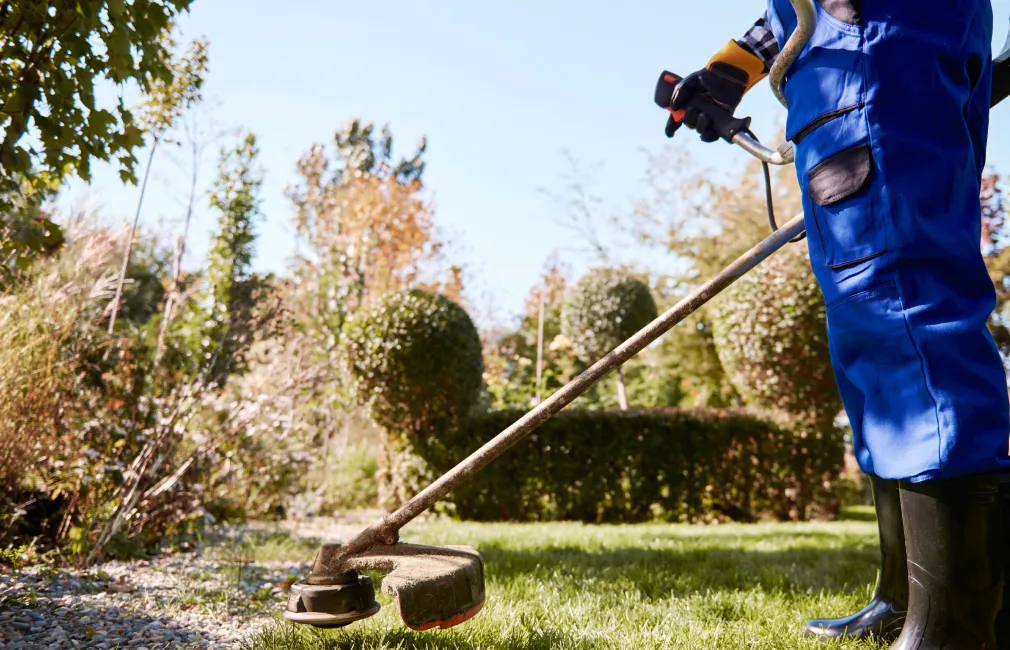
Mechanical Brush Removal
-
Forestry Mulching
-
Selective Brush Cutting
-
Stump Grinding
-
Lot Clearing
-
Debris Hauling
Our Brush Removal Process
Site Evaluation
Safety Preparation
Brush Clearing
Debris Removal
Final Inspection
Why Choose Decatur Landscape Services

Decatur Homeowners Trust Us
-
Expert Lawn Maintenance
-
Reliable Scheduling
-
Competitive Pricing
-
Professional Team
-
Satisfaction Guarantee
-
Personalized Service
-
Locally Owned and Operated
Decatur's Piedmont Red Clay Soils and Brush Accumulation Patterns
Decatur, Georgia sits within the Metro Atlanta Piedmont region, where soils are predominantly Cecil and Appling series — dense, acidic red clay Ultisols with limited infiltration capacity. According to the USDA Web Soil Survey, these compacted clay profiles restrict root penetration and promote surface runoff, conditions that accelerate the spread of opportunistic shrubs, brambles, and woody understory growth along lot edges, drainage swales, and shaded slopes. Decatur falls within USDA Hardiness Zone 7b, supporting year-round growth of invasive species such as Chinese privet (Ligustrum sinense), Japanese honeysuckle, and multiflora rose. These species establish rapidly in clay-heavy soils with poor drainage and partial shade. Brush removal on Piedmont lots must account for root systems that penetrate compacted clay layers, often requiring mechanical extraction rather than surface cutting alone. Property owners should assess drainage patterns before clearing to avoid destabilizing slopes or exposing bare clay to erosion.
Decatur Code Compliance and Nuisance Vegetation Ordinance Standards
Decatur's municipal code addresses overgrown vegetation and nuisance brush as a property maintenance matter enforced through the city's Community Development department. Brush, weeds, and woody growth that exceed established height thresholds or obstruct sightlines along public rights-of-way may be subject to code enforcement action. Property owners are responsible for maintaining vegetation on their lots, including frontage areas adjacent to sidewalks and streets. Key compliance considerations include:
- Brush and overgrowth along public rights-of-way must not obstruct pedestrian or vehicular sightlines
- Vacant lots and undeveloped parcels are subject to the same vegetation maintenance standards as improved properties
- Repeated violations may result in city-contracted removal with costs assessed to the property owner
- Brush piles left on-site for extended periods may constitute a separate nuisance violation
The Decatur Community Development department administers code enforcement and can provide current ordinance thresholds and violation procedures.
Decatur Community Development
509 N. McDonough St., Decatur, GA 30030
Phone: (404) 370-4100
Official Website: Decatur Community Development
Protecting Decatur's Stormwater Infrastructure During Brush Clearing Operations
Brush removal on Decatur properties must be conducted with attention to the city's stormwater drainage network, which includes roadside ditches, culverts, detention basins, and drainage corridors that flow toward South Fork Peachtree Creek and its tributaries. Clearing brush near these features without proper debris containment can introduce woody material, sediment, and organic matter into storm drains, contributing to blockages and downstream water quality impacts regulated under the Clean Water Act and the EPA NPDES Program. Practical precautions during brush removal near drainage features include:
- Install silt fencing or straw wattles at the perimeter of clearing zones adjacent to ditches or low-lying areas
- Chip or bundle brush on-site before transport to prevent loose material from entering storm inlets
- Avoid clearing during heavy rainfall periods when sediment displacement risk is highest
- Do not deposit brush piles within 25 feet of any drainage ditch, culvert inlet, or detention feature
The Decatur Stormwater Information page provides drainage infrastructure guidance and water quality compliance resources for property owners.
Decatur Engineering Division
509 N. McDonough St., Decatur, GA 30030
Phone: (404) 370-4100
Official Website: Decatur Engineering Division
Decatur Public Works Yard Waste Procedures for Brush and Debris Disposal
The Decatur Public Works Department administers yard waste and brush collection as part of the city's residential sanitation program. Property owners and contractors must follow established preparation and placement standards to ensure collection eligibility. Brush and woody debris that does not meet bundling or container requirements may be passed over during scheduled collection. General preparation standards for brush disposal in Decatur include:
- Woody brush and limbs must be bundled and tied for curbside collection; individual pieces should not exceed 4 feet in length or 4 inches in diameter where applicable — verify current size limits with Public Works
- Brush must be placed at the curb, not in the street or blocking storm drain inlets
- Large-volume brush resulting from storm damage or major clearing projects may require a separate bulk pickup request or private hauling arrangement
- Yard waste should not be mixed with household garbage or recyclables
Contractors performing brush removal on behalf of property owners are responsible for hauling debris that exceeds residential collection limits. Confirm current collection schedules and bulk pickup procedures directly with the department.
Decatur Public Works Department
509 N. McDonough St., Decatur, GA 30030
Phone: (404) 370-4100
Official Website: Decatur Public Works Department
Invasive Brush Species Pressure in Decatur and Georgia EPD Compliance Context
Decatur's mature tree canopy, wooded lot edges, and creek corridors create favorable conditions for invasive woody species that require targeted removal strategies. UGA Cooperative Extension identifies Chinese privet, kudzu, Japanese honeysuckle, and autumn olive as among the most aggressive invasive shrubs in the Metro Atlanta Piedmont region. These species regenerate rapidly from root crowns if only surface-cut, requiring follow-up treatment or mechanical root extraction to prevent re-establishment within a single growing season. Property owners should be aware that:
- Privet and kudzu can re-sprout from root fragments within 4–6 weeks during the warm season (April through October in Decatur's Zone 7b climate)
- Brush removal near South Fork Peachtree Creek corridors should avoid disturbing native riparian vegetation that stabilizes banks
- Herbicide application following mechanical removal, when used, must comply with Georgia pesticide licensing requirements administered by the Georgia Department of Agriculture - Agricultural Pest Control
- The UGA Extension - Invasive Species program provides identification guides and management recommendations specific to Georgia conditions
The Decatur Environmental Sustainability Board supports conservation programs that align with responsible invasive species management on private and public lands.
What Neighborhoods Do We Serve Throughout Decatur, GA?
- Oakhurst: A mature, walkable neighborhood with densely canopied lots and established tree cover that promotes heavy understory brush growth, particularly privet and honeysuckle along rear lot lines and alley corridors.
- Winnona Park: Features older residential lots with compacted Cecil clay soils and shaded slopes where woody brush accumulates along property edges and drainage swales draining toward Peachtree Creek tributaries.
- Glennwood Estates: A wooded neighborhood with larger lot sizes and significant tree canopy, where brush clearing must account for root systems in dense red clay and proximity to drainage corridors.
- Westchester Hills: Includes properties with sloped terrain and wooded rear yards where invasive shrub pressure is elevated; brush removal on slopes requires erosion control measures given the area's clay-heavy soils.
- Downtown Decatur / Sycamore District: Mixed residential and commercial properties with smaller lot footprints; brush removal in this area often involves right-of-way frontage compliance and sightline clearance near pedestrian corridors.
- Leafmore / Midway Woods: Established neighborhoods with mature hardwood canopy and significant leaf and brush load; wooded lot edges frequently support privet thickets requiring mechanical extraction and follow-up monitoring.