
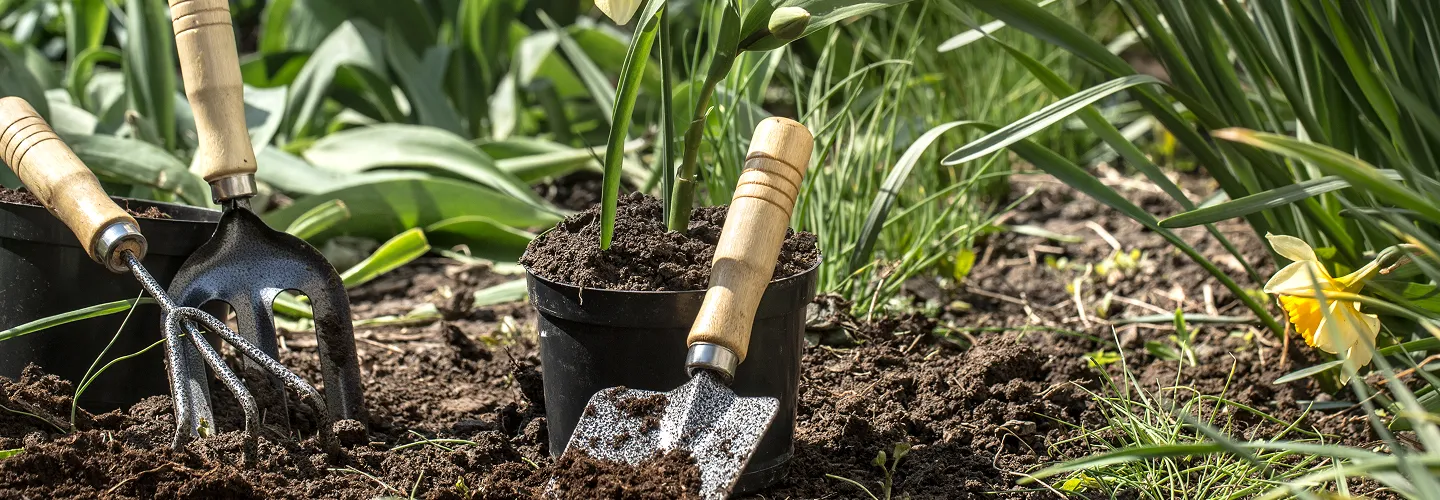
Decatur Flower Bed Maintenance Services
Choose our expert Flower Bed Maintenance for lush, healthy blooms and weed-free beds—our experienced team ensures your garden stays beautiful, thriving, and hassle-free season after season.
Get a Free QuoteOur Decatur Landscaping & Yard Care Services
When to Schedule Flower Bed Maintenance in Decatur, Georgia – Seasonal Guide
In Decatur, Georgia, the best times for flower bed maintenance are closely tied to our unique climate and local landscape features. Spring, just after the last frost date—typically in late March—is ideal for cleaning beds, refreshing mulch, and planting annuals or perennials. Fall, especially from late September through November, is perfect for pruning, dividing perennials, and preparing beds for winter. Decatur’s humid summers and occasional droughts mean that regular maintenance is essential to keep beds healthy and vibrant, particularly in neighborhoods like Oakhurst and Glenlake Park, where mature trees and shaded lots can affect soil moisture and sunlight.
Local environmental factors such as clay-heavy soils, variable rainfall, and the risk of late spring frosts all play a role in determining the right maintenance schedule. Homeowners near Agnes Scott College or along Ponce de Leon Avenue may also need to consider municipal guidelines and water restrictions. For more information on local regulations, visit the official city resource.
Local Factors to Consider for Flower Bed Maintenance in Decatur
- Tree density and shade coverage, especially in historic neighborhoods
- Soil type (clay, loam, or sandy soils)
- Average precipitation and drought risk
- Frost dates and seasonal temperature swings
- Terrain and drainage patterns
- Municipal restrictions on watering or landscaping
Benefits of Flower Bed Maintenance in Decatur
Enhanced Curb Appeal
Weed and Pest Control
Healthier Plants
Seasonal Color Management
Professional Expertise
Time and Effort Savings
Decatur Flower Bed Maintenance Types

Seasonal Flower Planting
-
Weed Control Services
-
Mulching and Soil Conditioning
-
Pruning and Deadheading
-
Fertilization Programs
-
Pest and Disease Management
-
Irrigation System Maintenance
Our Flower Bed Maintenance Process
Site Evaluation
Weed Removal
Soil Preparation
Plant Care
Mulching
Why Choose Decatur Landscape Services
Decatur Homeowners Trust Us
-
Expert Lawn Maintenance
-
Reliable Scheduling
-
Competitive Pricing
-
Professional Team
-
Satisfaction Guarantee
-
Personalized Service
-
Locally Owned and Operated
Decatur's Piedmont Red Clay Soils and Flower Bed Drainage Management
Decatur, Georgia sits within the Piedmont physiographic region, where the predominant soil series include Cecil, Appling, and Madison soils — all characterized by dense red clay subsoils with limited natural drainage capacity. According to the USDA Web Soil Survey, these soils typically exhibit low permeability below the surface horizon, which creates persistent moisture retention in flower beds during Decatur's wet spring and summer periods. Beds established directly in native clay without amendment are prone to root suffocation, crown rot, and fungal disease. Practical bed preparation steps include:
- Incorporating 3–4 inches of compost or aged organic matter to a depth of 8–10 inches before planting
- Raising bed grades 4–6 inches above surrounding grade to promote surface drainage
- Avoiding compaction by limiting foot traffic within bed perimeters
- Testing soil pH, which in Piedmont clay typically ranges from 5.0 to 6.0, and amending with lime if needed per UGA Cooperative Extension guidance
Soil amendment is a prerequisite for sustainable flower bed performance in Decatur's clay-dominant landscape.
Seasonal Planting and Maintenance Windows for Decatur Flower Beds
Decatur falls within USDA Hardiness Zone 7b, as confirmed by the USDA Plant Hardiness Zone Map, with average minimum winter temperatures between 5°F and 10°F. This zone supports a long warm-season growing window, typically from mid-March through early November, with summer heat and humidity peaking between June and September. The National Weather Service Atlanta forecast office reports average annual rainfall near 50 inches, distributed relatively evenly but with intense summer convective storms. Recommended seasonal maintenance windows include:
- Early spring (mid-March to April): Divide and replant perennials, apply pre-emergent weed control, refresh mulch to 2–3 inch depth
- Late spring (May): Install warm-season annuals after last frost risk passes; deadhead spring bloomers
- Summer (June–August): Increase irrigation frequency during drought periods; monitor for fungal pressure in shaded beds
- Fall (September–October): Plant cool-season annuals such as pansies and snapdragons; cut back spent perennials
- Winter (November–February): Apply protective mulch layer over perennial crowns; avoid disturbing dormant root zones
Protecting Decatur Stormwater Infrastructure During Bed Maintenance Activities
Flower bed maintenance activities — including fertilizer application, pesticide use, and debris removal — carry meaningful risk of stormwater contamination in Decatur's urban drainage network. The city's stormwater system connects to local drainage corridors that ultimately discharge to South Fork Peachtree Creek and its tributaries, which are regulated under the Clean Water Act and monitored through Georgia's NPDES stormwater program. The Georgia EPD Watershed Protection Branch establishes water quality standards applicable to urban runoff. Property owners and maintenance professionals should observe the following practices:
- Apply granular or liquid fertilizers only when no rain is forecast within 24–48 hours
- Sweep or blow fertilizer granules off impervious surfaces immediately after application
- Avoid applying herbicides or pesticides within 10 feet of storm drain inlets, curb cuts, or drainage swales
- Bag and remove pulled weeds and plant debris rather than leaving them at curb edges where they can wash into drains
- Confirm current stormwater compliance requirements with the Decatur Stormwater Information program
Decatur Stormwater Management
509 N. McDonough St., Decatur, GA 30030
Phone: (404) 370-4100
Official Website: Decatur Stormwater Information
Mulch Selection and Bed Edging Standards in Decatur's Mature Neighborhoods
Decatur's established residential neighborhoods — including Oakhurst, Winnona Park, and Glennwood Estates — feature mature tree canopies that significantly influence flower bed conditions. Dense shade from oaks, maples, and dogwoods reduces evaporation and creates competition for soil moisture and nutrients. Mulch selection and application depth are critical management decisions in these environments. The Decatur Environmental Sustainability Board encourages environmentally responsible landscape practices, including the use of locally sourced or recycled organic mulch materials. Key standards for Decatur bed maintenance include:
- Apply shredded hardwood or pine bark mulch at 2–3 inches depth; avoid exceeding 4 inches, which can restrict oxygen exchange
- Maintain a 2–3 inch mulch-free gap around plant stems and tree trunks to prevent crown rot and rodent harborage
- Re-edge beds annually in early spring using a flat spade or mechanical edger to maintain a clean 3–4 inch vertical edge
- Avoid rubber or dyed mulch products near drainage features, as colorants may leach into soil and runoff
- In heavily shaded beds, consider shade-tolerant groundcovers such as liriope, ajuga, or native wild ginger as low-maintenance alternatives to annual flowers
Decatur Environmental Sustainability Board
509 N. McDonough St., Decatur, GA 30030
Phone: (404) 370-4100
Official Website: Decatur Environmental Sustainability Board
What Neighborhoods Do We Serve Throughout Decatur, GA?
- Oakhurst: One of Decatur's oldest and most densely canopied neighborhoods, featuring mature oaks and established planting beds on smaller urban lots where shade management and root competition are primary flower bed maintenance considerations.
- Winnona Park: A historic residential district with a mix of bungalow-era homes and newer infill construction; beds in this area often reflect compacted urban soils from decades of development and benefit from regular organic amendment.
- Glennwood Estates: Located near South Fork Peachtree Creek corridors, this neighborhood requires particular attention to runoff management and fertilizer application timing given its proximity to regulated drainage features.
- Westchester Hills: A mid-century subdivision with larger lots and mixed sun-to-shade exposure; flower beds here often span both open and wooded zones, requiring varied plant selection and irrigation strategies.
- Decatur Heights: An established neighborhood with sloped lots and red clay subsoils that create drainage challenges in low-lying bed areas, making raised bed construction and soil amendment especially important.
- Downtown Decatur / Sycamore District: Commercial and mixed-use properties in this area maintain frontage beds subject to city code standards; property managers should confirm frontage maintenance expectations with the Decatur Planning Department.
Georgia Pesticide Licensing Requirements for Professional Flower Bed Weed and Pest Control
Professionals applying pesticides or herbicides within Decatur flower beds as a commercial service are subject to licensing requirements under the Georgia Pesticide Use and Application Act of 1976, administered by the Georgia Department of Agriculture. Any individual applying restricted-use pesticides for hire must hold a valid Georgia pesticide applicator license in the appropriate category. Property owners applying pesticides on their own property are generally exempt from licensing requirements but remain responsible for label compliance. Key compliance points include:
- Verify that any hired landscape contractor holds a current Georgia pesticide applicator license before authorizing chemical weed or pest control in beds
- Confirm that all products used are labeled for ornamental bed use and applied at label-specified rates
- Pre-emergent herbicides commonly used in flower beds — such as those containing isoxaben or trifluralin — must be applied before weed seed germination, typically late February to mid-March in Decatur
- Post-emergent selective herbicides should be applied during calm, dry conditions to prevent drift onto desirable plants or adjacent impervious surfaces
Georgia Department of Agriculture – Pesticide Division
19 Martin Luther King Jr. Dr. SW, Atlanta, GA 30334
Phone: (404) 656-4958
Official Website: Georgia Department of Agriculture - Licensing, Certification and Employee Registration